
4 Strategies Septic Pumping Companies Use to Protect Your Drinking Water
Protecting drinking water is a critical concern in today's world, intricately connected to the maintenance of septic systems. Poorly maintained septic systems can lead to severe environmental hazards, including the contamination of drinking water reserves. The role of septic pumping companies is, therefore, crucial in preventing such disasters and ensuring water safety. Through effective strategies, these companies not only manage waste but also protect valuable water resources. Let's delve into the various methods septic pumping companies employ to safeguard your drinking water.
1. Regular Inspection and Maintenance
Importance of Routine Checks
Routine checks of septic systems are paramount in preventing significant environmental issues. A well-monitored system can forestall failures that lead to groundwater contamination, a critical concern for communities relying on well water. Inspections enable septic pumping companies to identify potential problems before they escalate, ensuring a proactive approach to maintenance. According to the Environmental Protection Agency, more than four billion gallons of wastewater are dispersed below the ground's surface every day, emphasizing the need for vigilance. Regular inspections thus form the backbone of efficient septic system management.
Scheduled Pumping Intervals
Determining how often septic tanks should be pumped is essential for maintaining system efficacy and environmental safety. Pumping intervals depend on household size, tank size, and usage patterns, yet typically range from every three to five years. Adhering to these guidelines ensures septic systems operate at optimal capacity, preventing overflows and leaks that threaten drinking water. Septic pumping companies provide expert advice tailored to individual system needs, enhancing their community's protection. Scheduled pumping is a preventative step in safeguarding water quality.
Technological Tools for Inspection
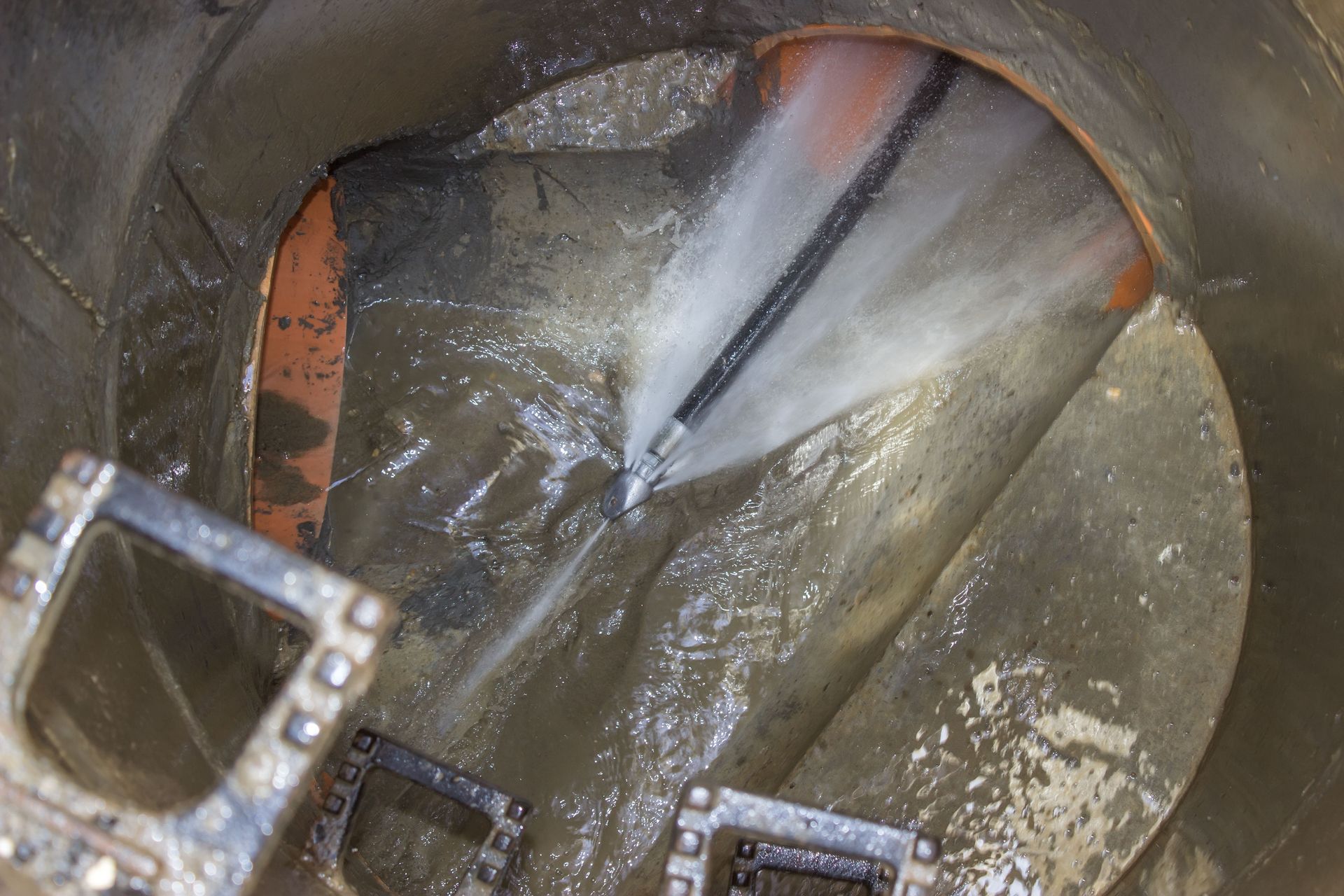
The use of advanced technology in inspections has revolutionized septic system maintenance. Tools such as cameras and sensors allow professionals to conduct thorough evaluations of tanks and pipes without invasive methods. These technologies have increased the accuracy of inspections, enabling the earlier detection of leaks or clogs that could lead to contamination. This technological edge also facilitates more detailed reporting, which aids homeowners in understanding and maintaining their systems effectively. By embracing technology, septic pumping companies enhance their ability to protect drinking water resources.
2. Advanced Filtration Systems
Types of Filtration Systems
Septic pumping companies often utilize a range of advanced filtration systems to further protect groundwater from contamination. These include sand filters, aerobic treatment units, and mounded systems, each tailored to specific environmental conditions and regulatory requirements. These filtration systems serve to further purify wastewater before it re-enters the ecosystem. By removing pathogens and additional pollutants, these systems help maintain the integrity of drinking water sources. Advanced filtration represents a vital component of a comprehensive waste management strategy.
Benefits of Enhanced Filtration
Enhanced filtration systems offer significant environmental and health benefits by protecting groundwater supplies. These systems reduce the presence of harmful bacteria and nutrients that can lead to water contamination. The implementation of such filtration technologies also aids in compliance with environmental standards, reducing the risk of legal repercussions for septic system owners. Moreover, by improving wastewater quality, these systems contribute to the preservation of local ecosystems. Enhanced filtration directly correlates with higher water quality and safety.
Installation Techniques
The installation of advanced filtration systems requires skilled technicians who follow precise procedures tailored to each landscape. Septic companies must assess soil conditions, local climate, and topography to ensure an installation that maximizes system efficiency. Proper installation is critical not just for performance, but also for longevity and cost-effectiveness of the system. An expertly installed filtration system can significantly reduce maintenance needs and prevent potential public health risks. Through meticulous installation, companies help ensure long-term water safety.
3. Proper Waste Disposal Practices
Environmentally Safe Disposal Methods
Environmentally safe disposal methods are crucial in mitigating the risks posed by septic system waste. Septic companies employ strategies such as controlled land application, where treated waste is used as fertilizer, reducing environmental load. Composting and methane digestion are also adopted to manage waste sustainably. These eco-friendly practices not only protect water sources but also enhance the sustainability of waste management. By implementing green disposal methods, septic companies play a vital role in environmental stewardship.
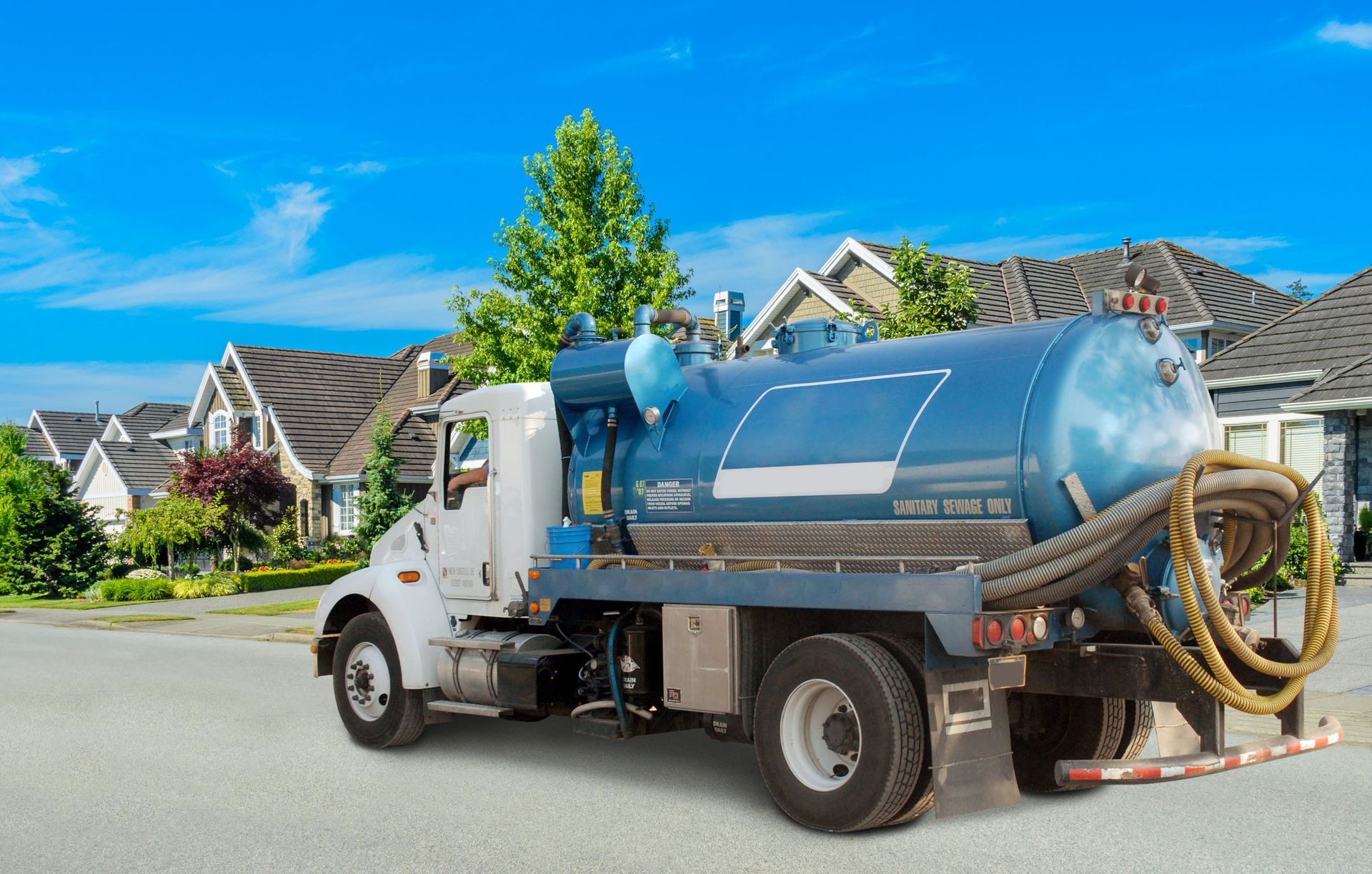
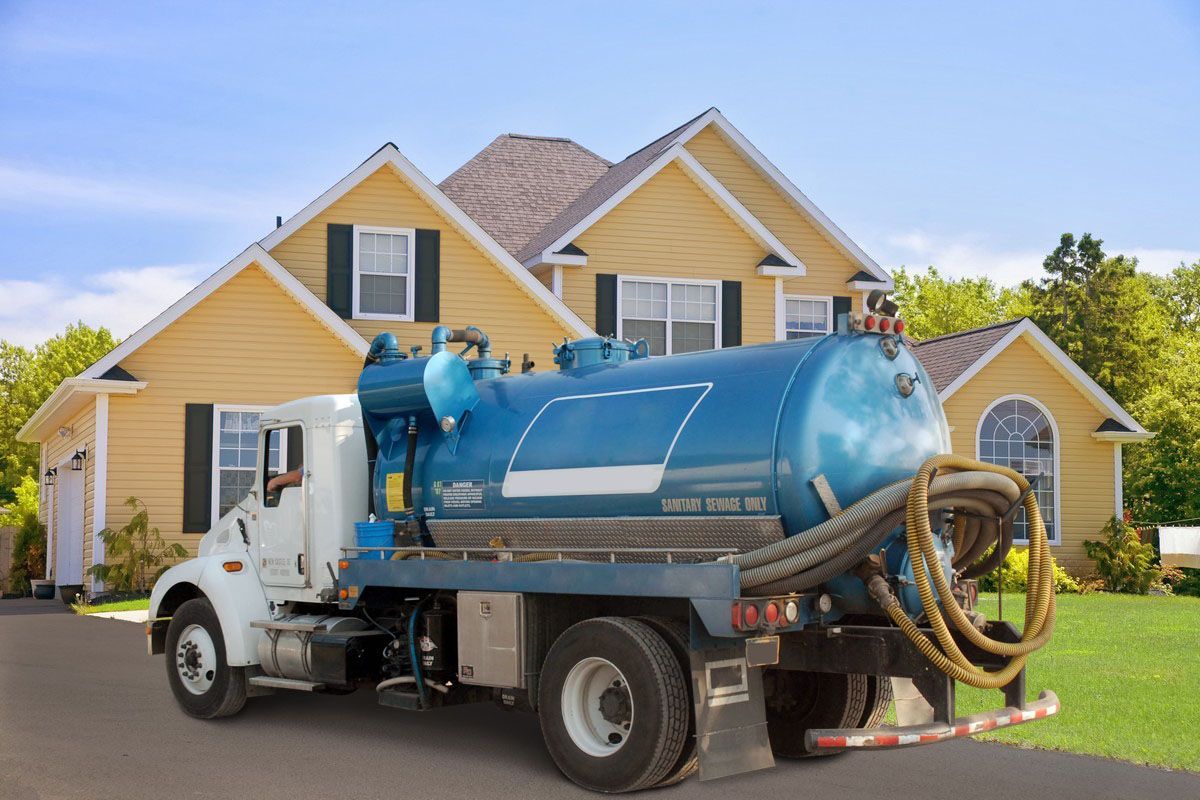
Proper transportation of septic waste is another important aspect of environmentally safe disposal. Septic pumping companies use specialized equipment and sealed transport vehicles to prevent spills, leaks, and accidental releases during transit. Once collected, waste is delivered to approved treatment facilities where it can be processed according to environmental regulations. These careful handling procedures help minimize the risk of pollutants entering nearby soil, waterways, or groundwater supplies, further supporting the protection of public health and natural resources.
Regulation Compliance
Septic pumping companies must adhere to stringent governmental regulations to ensure the safety of water sources. Compliance with local and national standards is essential for legal operation and for maintaining public trust. Regulatory compliance typically involves regular inspections, proper waste treatment, and thorough documentation of disposal activities. These measures are designed to prevent contamination of both ground and surface water sources. By meeting and often exceeding these regulations, septic companies demonstrate their commitment to safeguarding public health.
Hazardous Waste Identification
Identifying and handling hazardous materials within septic waste is a critical component of waste management practices. Professionals are trained to recognize dangerous substances, such as pharmaceuticals or household chemicals, which require special disposal methods. This expertise helps prevent these materials from entering and contaminating water supplies. State-of-the-art detection tools assist in this process, ensuring that hazardous waste is handled with utmost care. By focusing on hazardous waste identification, companies further protect drinking water from potential threats.
4. Water Testing and Analysis
Importance of Regular Water Testing
Regular water testing is crucial for ensuring the safety and potability of drinking water, especially in areas serviced by septic systems. Tests check for contaminants that might have leaked from malfunctioning systems, and early detection can prevent widespread health issues. Testing provides essential data that informs maintenance decisions, contributing to more effective system management. By frequently testing water quality, professionals can mitigate the risk of contamination swiftly. Regular water testing serves as a critical tool in safeguarding public health.
Types of Water Testing Conducted
Various types of water tests are conducted to assess the safety and cleanliness of water sources. Tests for bacteria, nitrates, chemical residues, and heavy metals are commonly performed to detect any signs of pollution. Each test targets different potential contaminants, ensuring comprehensive coverage of all possible threats. Specialized equipment and methodologies are used to obtain accurate and reliable results, guiding subsequent environmental protection measures. Through diverse testing techniques, septic companies maintain high standards of water quality assurance.
Interpreting Water Test Results
Understanding water test outcomes is essential for taking appropriate corrective actions. Test results provide a snapshot of water quality, indicating the presence and concentration of contaminants. Professionals interpret these results to determine whether the water is safe for consumption and what measures, if any, need to be taken. Correct interpretation ensures swift response to potential contamination, preventing further issues. By translating test data into actionable insights, septic companies effectively uphold drinking water safety and contribute to community well-being.
Septic pumping companies adopt a multifaceted approach to ensure the continuous protection of drinking water sources. By integrating routine inspection and maintenance, advanced filtration systems, proper waste disposal, innovative technologies, comprehensive water testing, and expert collaborations, they safeguard water quality effectively. As our reliance on clean drinking water persists, the ongoing commitment of companies like Ley Septic LLC remains more vital than ever. Reach out to us today to learn more!

Share On: